Maine Coon Cat Behavior Problems
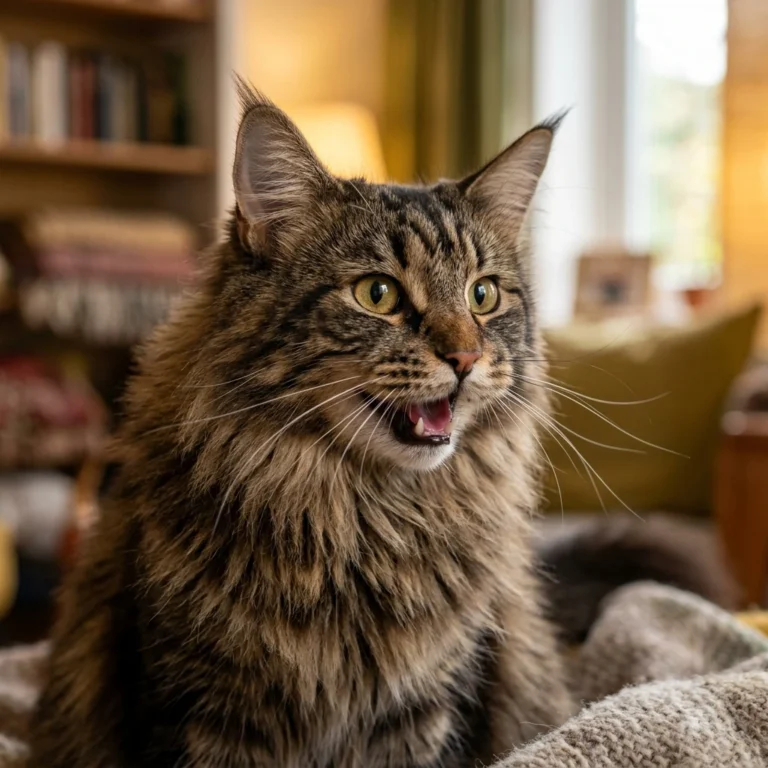
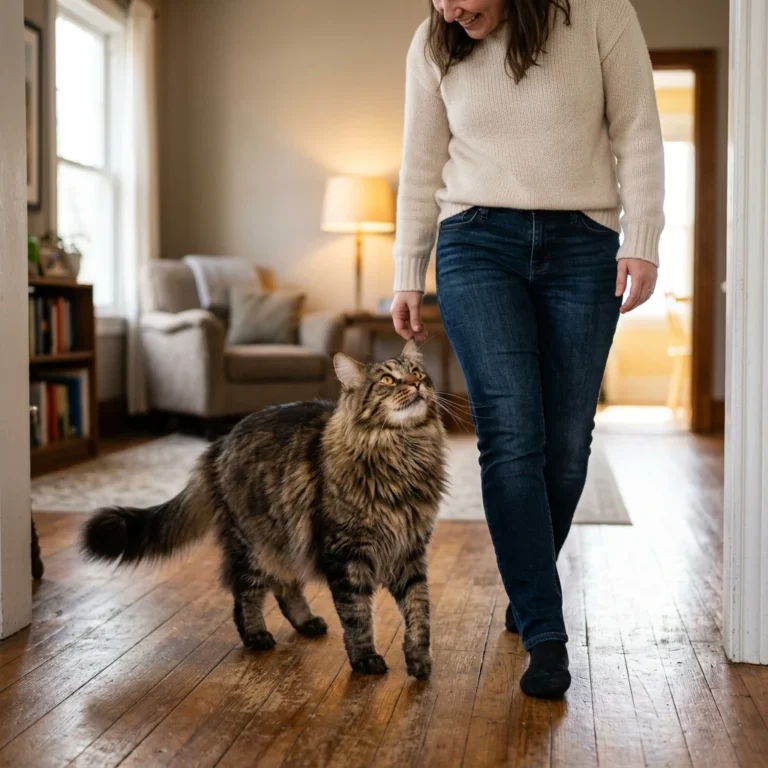
Maine Coon is a large cat breed known for its friendly nature. They are gentle giants that like to spend time with people. They are playful, smart, and can learn tricks. They meow loudly and enjoy family time. Many owners call them the “clowns of the cat world” for their fun personalities. They are patient and good with children.
They adapt well to new homes and greet guests. Because they are big and active, they need exercise. If not busy, they may get bored or anxious. Like any cats, Maine Coons can have behavior problems when stressed or lonely.
For example, some may scratch furniture or act out when they need attention. Maine Coons like to nap and can sleep up to 16 hours a day. They are most active at dawn and dusk. This article explains common Maine Coon issues in simple terms.
We will answer questions about their nighttime habits, social behavior, and other concerns. We also give tips on how to manage these problems and keep your pet happy.
Common Behavior Problems
Here’s a overview:
1. Aggression:
Maine Coons are normally easygoing, but they can become aggressive if they feel scared or threatened. Pain or illness can make a cat lash out. Stress or changes at home can also cause aggression. Never punish a cat harshly; try to stay calm and address the cause.
2. Destructive Scratching:
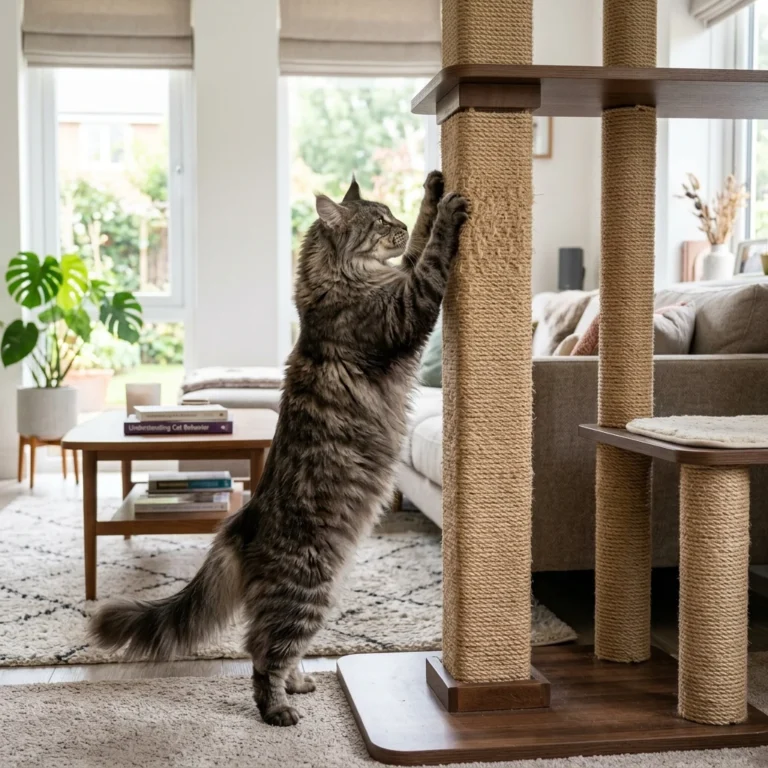
Scratching is natural for cats. Maine Coons often scratch furniture to mark their territory or sharpen claws. Provide sturdy scratching posts or pads. Use sisal rope or carpet posts that your cat likes. Reward your cat for using these posts and cover furniture to protect it.
4. Litter Box Problems:
Maine Coons usually use a clean litter box. If one avoids the box, it may mean stress or illness. The ASPCA notes causes like a dirty box, wrong location, or conflict with other pets. Keep the box clean and in a quiet spot. Provide one box per cat and see a vet if the problem continues
5. Separation Anxiety:
Some Maine Coons get anxious when left alone. They may cry, scratch, or hide to show they are upset. Give them toys or food puzzles while you are away. Play with your cat before you leave to tire it out. Gradually get your cat used to short absences so it won’t panic.
6. Territorial Behavior:
Maine Coons can become territorial over space or pets. A cat might hiss or chase other animals that enter “its” area. To avoid fights, introduce new pets slowly and give each cat its own space. Use separate food bowls and litter boxes at first, and let them meet gradually.
7. Excessive Vocalization:
Maine Coons can be very loud when they want something. They may meow or yowl for attention or food. Check first if they need food, water, or a clean box. If it’s just for attention, do not give in to constant meowing. Reward quiet behavior instead of loud demands.
8. Attention-Seeking Behavior:
These cats are social and may demand attention. They might paw at you or stand on your papers. When your cat acts up for attention, avoid giving in. Only play or pet your cat when it is calm. For example, do not respond to attention-getting meows. Give treats or praise when your cat behaves nicely.
9. Nighttime Hyperactivity ("Zoomies"):
Cats are crepuscular (active at dawn and dusk), but Maine Coons may race around at night if they are bored. If your cat runs and makes noise at night, try play sessions in the evening to tire it out. Do not reward waking you up; ignore it unless it’s urgent. Eventually, your cat will learn that nighttime is for sleeping.
10. Refusal to Be Held or Touched:
Not all cats like to be held. Some Maine Coons may struggle or hiss if grabbed. Being held can make a cat feel trapped. Always support its body when picking it up. If your cat dislikes hugging, let it sit next to you or on the floor instead. Respect its boundaries and it will trust you more.
11. Fearfulness or Shyness:
Some Maine Coons are shy or timid. A fearful cat will hide or run from things that scare it. It may flatten its ears or hiss when nervous. Give a shy cat space and time to adjust. Speak softly and let the cat approach you. A quiet, calm environment helps these cats gain confidence.
12. Chewing on Wires or Plants:
Cats, especially kittens, may chew on cords or plants out of curiosity or boredom. Chewing wires can be due to teething or stress. To stop this, hide or cover wires and give safe chew toys. Remove toxic plants from your home. Increase play and enrichment so your cat is less likely to chew out of boredom.
13. Obsessive or Compulsive Behaviors:
Some cats develop repetitive habits, like constant grooming, tail-chasing, or pacing. This often stems from anxiety or a compulsion. For example, excessive licking can lead to fur loss (psychogenic alopecia). If you see repetitive behavior, consult a vet. Providing puzzles, playtime, and routine can help reduce stress.
14. Resource Guarding (Food or Toys):
Maine Coons may guard prized items or food. A cat might growl if another pet comes near its bowl or toys. This is a form of territorial aggression. Prevent it by feeding cats separately and giving each enough toys. Do not punish guarding; instead, offer treats and a calm routine so the cat feels secure.
15. Mounting or Humping Behavior:
Neutered cats sometimes hump toys, blankets, or even people. This can be normal behavior or due to leftover hormones. Stress, boredom, or excitement can also cause humping. Provide more play and mental stimulation (toys, puzzles) to redirect this energy. Over time, your cat will outgrow the behavior.
FAQs
Maine Coon behavior problems at night
Maine Coons are not truly nocturnal, but they can be active in the evening. These cats are crepuscular, meaning they are most lively at dawn and dusk. At night, a bored Maine Coon may run around (zoomies) or meow. To reduce night activity, play with your cat before bedtime so it is tired. Do not reward waking you up; ignore it unless it’s urgent. Over time the cat will learn that night is for sleeping.
Why does my Maine Coon sleep so much?
Maine Coons (like most cats) sleep a lot. They can nap up to 16 hours a day. This is normal for a large, active cat. These long sleeps help them save energy for play and hunting behaviors. If your Maine Coon has a normal appetite and is otherwise active at times, its sleep is usually nothing to worry about. Always check with a vet if you see a sudden change in energy or behavior.
Are Maine Coons nocturnal?
No, Maine Coons are not truly nocturnal. They are crepuscular, so they tend to be most active at dawn and dusk. You may see them playing or meowing in the early morning or evening. Usually, they sleep more during the day and night. However, if they are bored or not exercised, they might become active at night. A tired and well-played-with cat will usually sleep through the night.
How do you discipline a Maine Coon cat?
Never hit or punish your cat. Physical punishment can make them more afraid or aggressive. Instead, use gentle discipline (for example, a firm “no” or a clap). Use deterrents like pet-safe sprays or aluminum foil on furniture. Always reward good behavior: give treats, affection, or play when your cat does well. Positive reinforcement and patience work best. If problems persist, consult your vet or a cat behaviorist for help.
Maine Coon behavior problems with other cats
Maine Coons can show territorial or inter-cat aggression. They may hiss or swat at other cats in the home. To prevent this, introduce cats slowly. Start them in separate rooms and swap scents. Gradually let them see each other while feeding them together. Early socialization with other cats reduces these problems. Give each cat its own space, food, and litter box to minimize conflicts.
Why does my Maine Coon bite?
Biting is often a form of play or communication. Maine Coon kittens may bite gently when playing, practicing hunting skills. They can also bite if they are overstimulated by petting or if play gets too rough. Pay attention to body language: a twitching tail or flattened ears often mean your cat has had enough. If biting seems aggressive or sudden, it could be a sign of pain. Always rule out health issues with your vet. Otherwise, redirect biting into a toy and reward gentle play instead.
Why does my Maine Coon attack me?
Sometimes a normally calm Maine Coon may suddenly attack out of fear or pain. The ASPCA notes that medical problems (arthritis, dental pain, illness) can cause aggression. A cat may also lash out if it feels threatened or overstimulated. If your Maine Coon attacks you, have your vet check for pain or medical issues. Provide a calm environment and use gentle handling. Positive training and giving the cat space when it shows stress can help.