Maine Coon Hypertrophic Cardiomyopathy (HCM): Symptoms, Testing, and Care
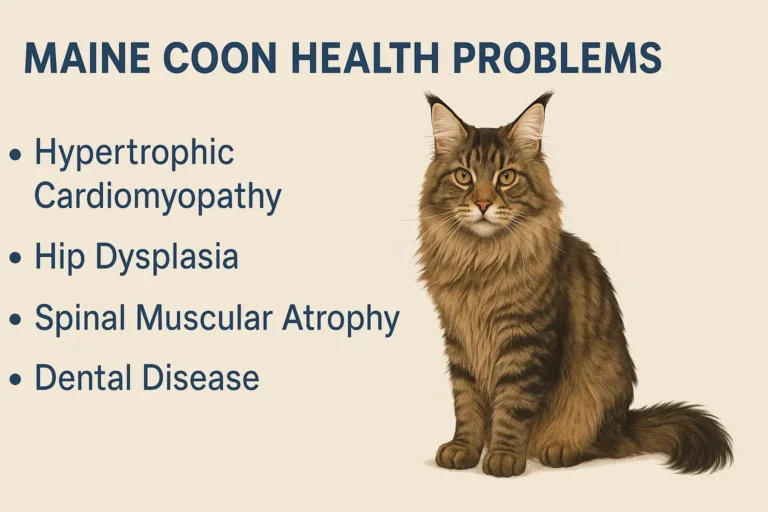
Hypertrophic cardiomyopathy is the single condition every Maine Coon breeder should be able to talk about in detail, because it’s the one most likely to cut a healthy-looking cat’s life short with almost no warning. It’s also the most researched heart disease in any cat breed, thanks largely to how common it is in this one.
Quick Answer
Hypertrophic cardiomyopathy (HCM) is a heart muscle disease that thickens the walls of a cat’s heart, reducing its ability to pump blood efficiently. Roughly 30–40% of Maine Coons carry a mutation in the MYBPC3 gene linked to the disease, though not every carrier develops symptoms. About 10–15% of the breed develops clinical HCM, usually after age three. It has no cure, but a DNA test, echocardiogram screening, and medication can manage it and extend a cat’s life significantly.
What HCM Actually Does to the Heart
In a healthy heart, the left ventricle’s walls are thin enough to fill with blood easily between beats. In HCM, those walls thicken abnormally, shrinking the chamber’s capacity and stiffening it. The heart has to work harder to fill and pump the same amount of blood, and over time that strain can lead to congestive heart failure, dangerous blood clots, or sudden cardiac death — sometimes in a cat that showed no prior symptoms at all.
The Genetics: MYBPC3 and the A31P Mutation
The Maine Coon-specific mutation sits in the MYBPC3 gene, at a site researchers label p.A31P. This gene encodes myosin-binding protein C, a protein essential to normal heart muscle contraction. It’s the first HCM mutation ever identified in cats, discovered specifically in this breed, and it’s almost exclusive to Maine Coons.
| Genetic Status | What It Means |
|---|---|
| Negative (0 copies) | No known increased risk from this specific mutation |
| Heterozygous (1 copy) | Elevated risk; more likely to develop mild-to-moderate disease |
| Homozygous (2 copies) | Highest risk; more likely to develop moderate-to-severe disease, and will pass the mutation to every kitten |
The critical caveat: this mutation shows incomplete penetrance. Some cats with two copies never develop clinical disease, and some cats that test negative develop HCM anyway from causes the test doesn’t catch. A DNA test estimates risk — it doesn’t replace a cardiac exam.
Symptoms to Watch For
Early HCM is frequently silent, which is exactly what makes it dangerous. As it progresses, watch for lethargy, reduced appetite, weakness, rapid or labored breathing, panting, exercise intolerance, and open-mouth breathing. A sudden inability to use the back legs, often with crying out in pain, signals a blood clot (thromboembolism) — a medical emergency that requires an immediate vet visit. Some cats show none of this and are only diagnosed after collapse or sudden death, which is the core argument for proactive screening rather than waiting for symptoms.
How HCM Is Diagnosed
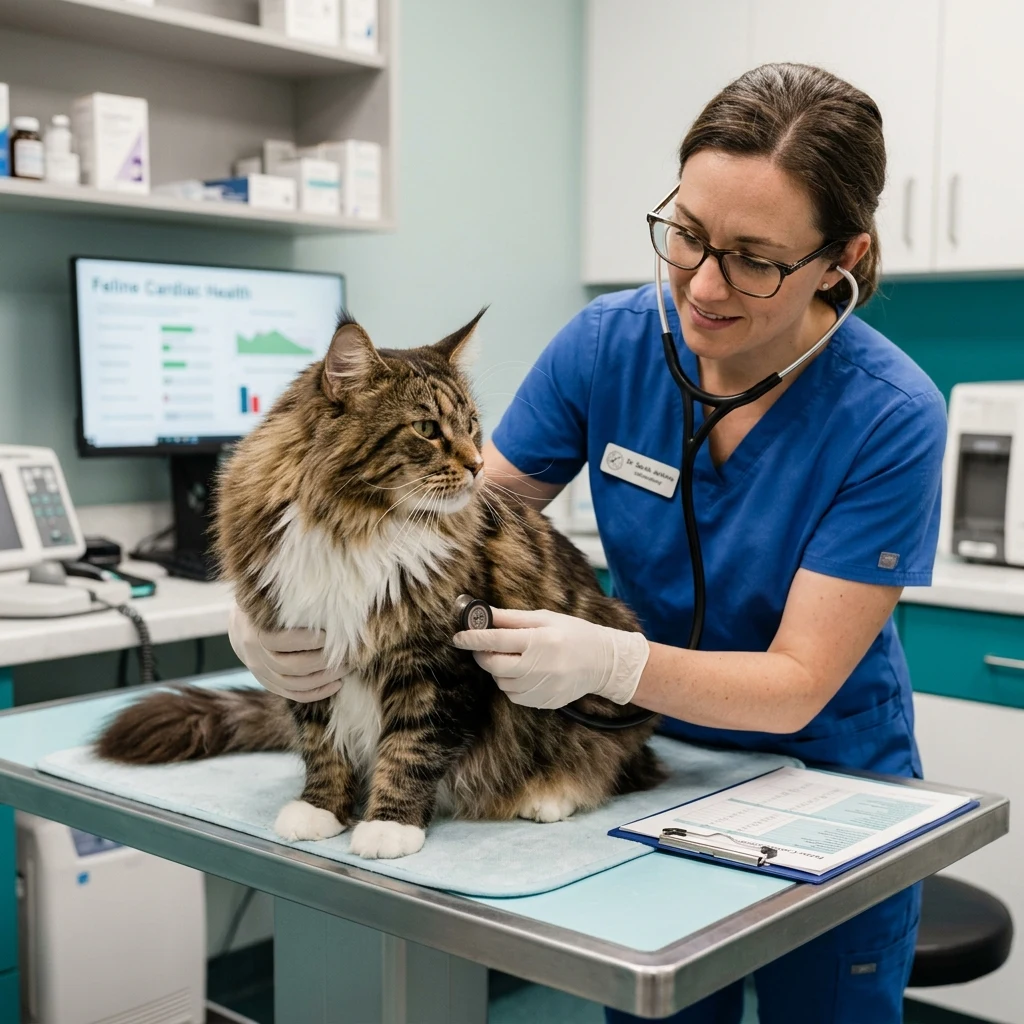
- ✓Echocardiogram — the gold standard. An ultrasound of the heart directly measures wall thickness and chamber function.
- ✓Genetic testing — a cheek swab or blood sample checks for the MYBPC3 A31P mutation, typically around $35 per cat through university genetics labs.
- ✓Electrocardiogram (ECG) — checks heart rhythm for abnormalities that often accompany HCM.
- ✓Chest X-rays — used to check for fluid buildup if heart failure is suspected.
- ✓NT-proBNP blood test — measures a hormone that rises when the heart is under strain, useful as a screening flag.
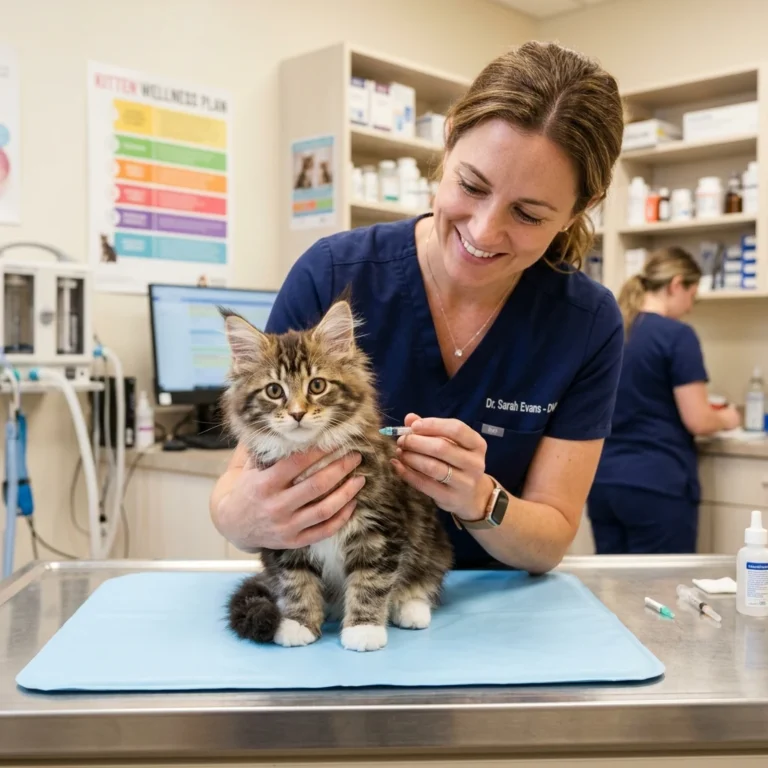
For breeding cats, or any Maine Coon with a family history, the standard recommendation is an annual echocardiogram starting around age one, continuing through the cat’s breeding or senior years.
Are Males More at Risk?
Yes. Male Maine Coons are roughly two to three times more likely to develop clinical HCM than females, and tend to progress faster once diagnosed. Females with the mutation more often show milder disease. Sex doesn’t change whether a cat carries the gene, but it clearly influences how the disease behaves once it’s present.
Managing a Cat With HCM
There’s no cure, but there’s a real management plan: beta-blockers or calcium channel blockers to ease the heart’s workload, ACE inhibitors and diuretics if fluid builds up, and anticoagulants to reduce clot risk in higher-stage disease. Alongside medication, a heart-healthy weight, minimized stress, light rather than intense exercise, and consistent vet monitoring all extend quality of life meaningfully. Cats diagnosed early and managed well can live for years past diagnosis; the outcome depends heavily on how advanced the disease was when it was caught, which circles back to why screening matters more than waiting for symptoms.
What This Means If You’re Buying a Kitten
Ask directly: were both parents DNA-tested for the MYBPC3 mutation, and have they had a recent echocardiogram? A responsible breeder will have both answers ready and share the results without hesitation. Testing negative doesn’t make a line risk-free forever, given incomplete penetrance, but breeding away from known carriers is the single most effective tool the breed has for reducing HCM’s prevalence over time. See our broader health problems guide for the rest of the breed’s screening checklist, and our price guide for what health testing should cost you as a buyer.
Frequently Asked Questions
What is hypertrophic cardiomyopathy in Maine Coons?
A genetic heart disease that thickens the walls of the heart’s left ventricle, reducing its ability to pump efficiently. It’s the most common heart disease in the breed and can lead to heart failure or sudden death if unmanaged.
How common is HCM in Maine Coons?
Roughly 30–40% of Maine Coons carry the associated MYBPC3 gene mutation, and about 10–15% of the breed develops clinical disease, most often after age three.
Can a genetic test guarantee my Maine Coon won’t get HCM?
No. The test identifies a known risk mutation, but due to incomplete penetrance, some negative cats still develop HCM and some positive cats never do. An echocardiogram remains the definitive diagnostic tool.
What are the symptoms of HCM in cats?
Lethargy, reduced appetite, rapid or labored breathing, exercise intolerance, and in severe cases sudden hind-leg paralysis from a blood clot. Many cats show no symptoms until the disease is advanced.
How often should a Maine Coon be screened for HCM?
Breeding cats and cats with a family history are typically recommended for an annual echocardiogram starting around age one.
Is HCM curable in cats?
No, but it’s manageable. Medications, weight control, stress reduction, and regular monitoring can meaningfully extend life and quality of life after diagnosis.