Maine Coon Health Problems: Treatments, Symptoms & Healthy Tips
Maine Coons are big, friendly cats with beautiful fur and loving hearts. They are often called “gentle giants” because of their sweet nature and large size. But like all purebred cats, Maine Coons can have some special health problems. Some of these problems come from their genes, and others are caused by lifestyle or environment.
In this article, we will talk about the most common health problems in Maine Coons. You will learn how to spot the signs early and how each disease can be treated.
We’ll also give you tips on how to keep your Maine Coon healthy and happy for many years. Whether you are thinking of getting a Maine Coon or already have one, this guide is here to help.
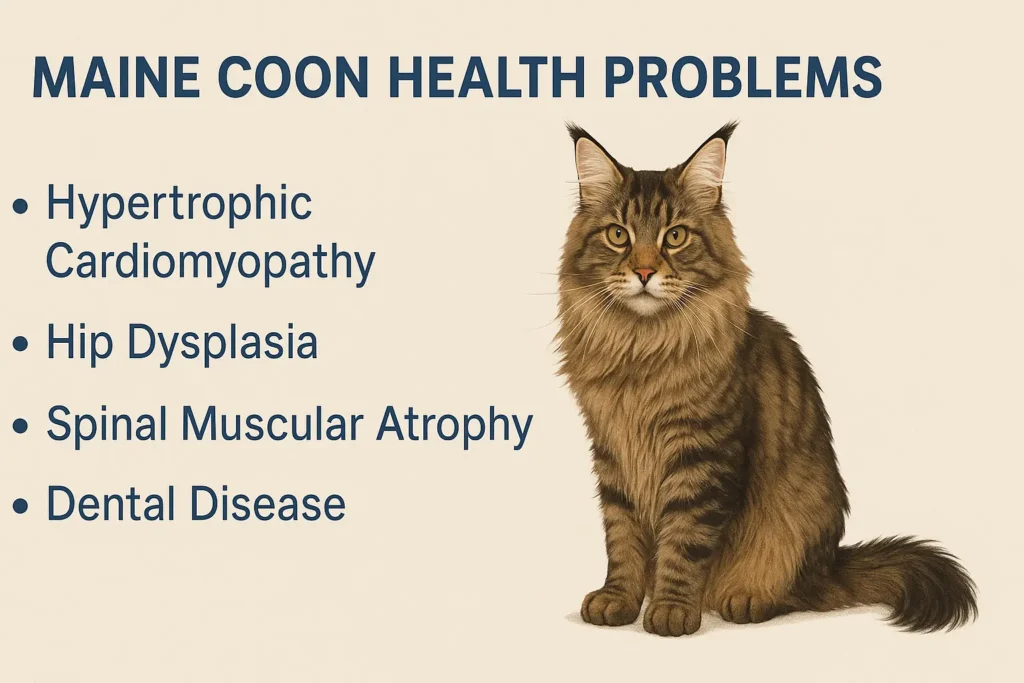
Quick Answer: What Are the Common Maine Coon Health Problems?
Maine Coons can suffer from genetic diseases like hypertrophic cardiomyopathy (heart disease), hip dysplasia (joint problem), spinal muscular atrophy (nerve disorder), and polycystic kidney disease.
They can also face common cat issues such as dental disease, obesity, and infections. Most of these can be managed with early vet care, proper diet, and regular checkups.
Here’s a overview:
1. Hypertrophic Cardiomyopathy (HCM)
What Is It?
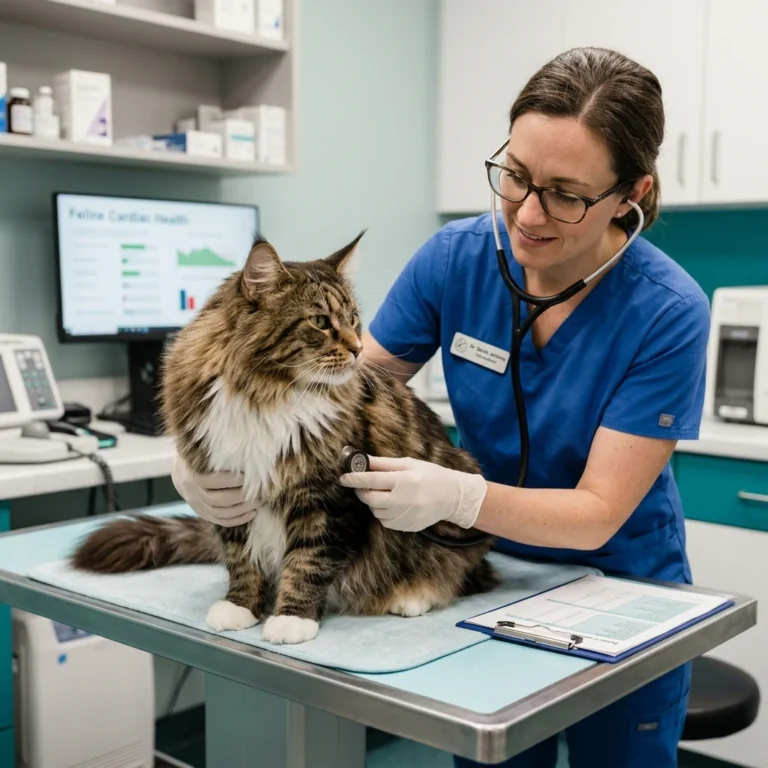
HCM is a heart disease that causes the walls of the heart to thicken. This makes it hard for the heart to pump blood. It is the most common heart problem in Maine Coons and is often passed down from parents to kittens
Symptoms of HCM
Difficulty breathing or fast breathing
Weakness or fainting
Loss of appetite
A heart murmur (heard by the vet)
Sudden death in severe cases
Treatment for HCM
There is no cure, but the disease can be managed with medicines. Vets usually give beta-blockers or ACE inhibitors to control the heart rate and improve blood flow. A low-sodium diet can also help.
Cats with HCM should have regular heart checkups, including ultrasound scans (echocardiograms). If blood clots form, special medicines may be needed to prevent them.
2. Hip Dysplasia
What Is It?
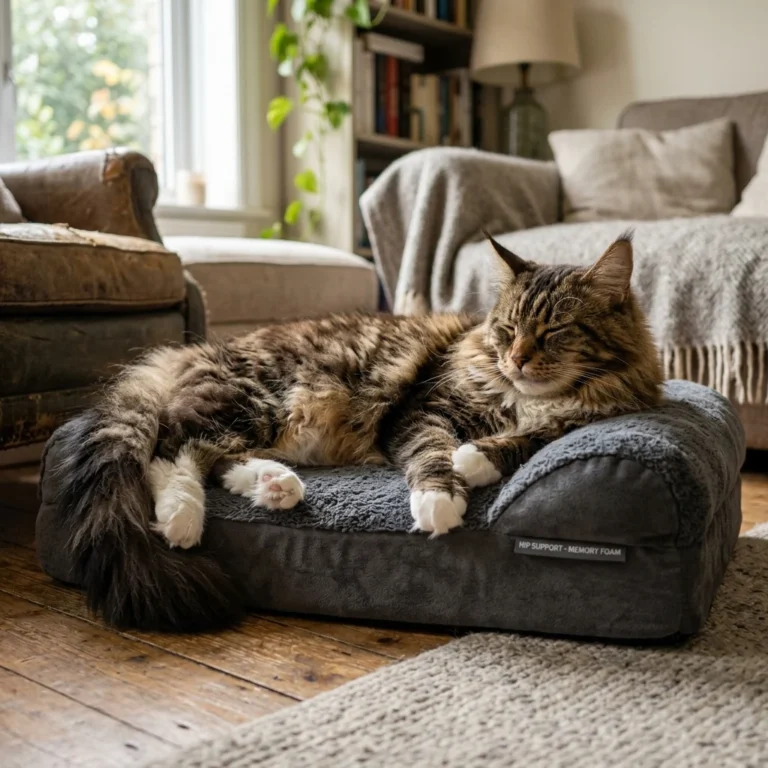
Hip dysplasia is a joint problem where the hip does not form the right way. This causes pain and makes it hard for the cat to move. It is common in big breeds like Maine Coons.
Symptoms of Hip Dysplasia
Limping or favoring one back leg
Trouble jumping or climbing
Stiffness, especially after sleeping
Less interest in playing
Pain when touched on the hips
Treatment for Hip Dysplasia
Mild cases can be managed with weight control, joint supplements (like glucosamine), and anti-inflammatory medicines. Regular, gentle exercise also helps. In severe cases, surgery may be needed to fix the joint. Keeping your cat at a healthy weight is the best way to reduce stress on the hips.
3. Spinal Muscular Atrophy (SMA)
What Is It?
SMA is a genetic disease that affects the nerves that control muscles. It mostly shows up in Maine Coon kittens around 3 to 4 months old. The muscles become weak and start to waste away.
Symptoms of SMA
Wobbly walk
Weak back legs
Trouble climbing or jumping
Muscle tremors
No pain, but poor movement
Treatment for SMA
There is no cure, but the cat can still live a good life indoors. You can help by making your home safe and easy to move around in. Use ramps instead of stairs, and place food, water, and litter boxes in easy-to-reach places. These cats should be kept indoors for their safety.
4. Polycystic Kidney Disease (PKD)
What Is It?
PKD is a disease where fluid-filled cysts grow in the kidneys. Over time, the kidneys stop working properly. This disease is passed from parent cats to kittens.
Symptoms of PKD
Drinking more water than usual
Peeing a lot
Weight loss
Vomiting
Poor coat condition
Treatment for PKD
There is no cure, but treatment can slow the disease. Vets recommend a special kidney diet that is low in phosphorus and salt. Cats should always have fresh water. Your vet may give medicines to control nausea and other symptoms. Regular blood and urine tests help track kidney health. You should also know how to groom Maine Coon.
5. Pyruvate Kinase Deficiency (PKDef)
What Is It?
PKDef is a genetic disorder affecting red blood cells, leading to anemia. It’s caused by a deficiency of the enzyme pyruvate kinase, essential for energy production in red blood cells.
Symptoms of PKDef
Lethargy and weakness
Pale gums
Rapid breathing
Decreased appetite
Treatment for PKDef
There’s no cure, but supportive care can manage symptoms. Treatments may include blood transfusions during severe anemia episodes and medications to stimulate red blood cell production. Regular monitoring of blood parameters is essential.
6. Dental Disease and Stomatitis
What Is It?
Dental problems are common in Maine Coons. Gingivitis (gum disease) and stomatitis (serious mouth inflammation) can cause pain and make it hard for your cat to eat.
Symptoms of Dental Disease
Bad breath
Drooling
Swollen or bleeding gums
Pawing at the mouth
Refusing dry food
Treatment for Dental Disease
Treatment starts with professional cleaning by a vet. Your cat may also need antibiotics or anti-inflammatory medicine. In serious cases, some teeth may be removed. To prevent dental problems, brush your cat’s teeth often and feed dental treats or dry food that helps clean teeth.
7. Obesity and Weight-Related Illnesses
What Is It?
Maine Coons can easily gain weight because they like to eat and are not always active indoors. Obesity leads to many health problems like diabetes, arthritis, and liver issues.
Symptoms of Obesity
Trouble moving
Extra fat around the belly
Tiredness
Not grooming well
Treatment for Obesity
The best treatment is a healthy diet and regular playtime. Feed your cat a balanced, portion-controlled diet. Avoid giving too many treats. Use toys and climbing furniture to encourage exercise. Talk to your vet about a weight loss plan if needed.
8. Parasites and Infections
What Is It?
Like all cats, Maine Coons can get fleas, ticks, worms, and infections like feline leukemia (FeLV) or FIV. Their long fur can also hide ear mites and skin problems.
Symptoms of Parasites or Infection
Scratching or shaking the head
Hair loss
Diarrhea or vomiting
Coughing or sneezing
Fever or weakness
Treatment and Prevention
Use regular flea and tick preventatives. Deworm your cat every few months. Keep vaccines up to date to protect against serious diseases. Indoor cats are safer from parasites and infections, but still need vet care and vaccines.
Preventative Care & Wellness
Genetic Screening: screen breeding Maine Coons for HCM, SMA and PKD genes. At-home DNA kits are available. Avoid breeding from affected cats.
Routine Wellness Visits: take your Maine Coon to the vet for yearly (or twice-yearly for seniors) check-ups. Veterinary exams include listening to the heart, checking hips and teeth, and updating vaccines.
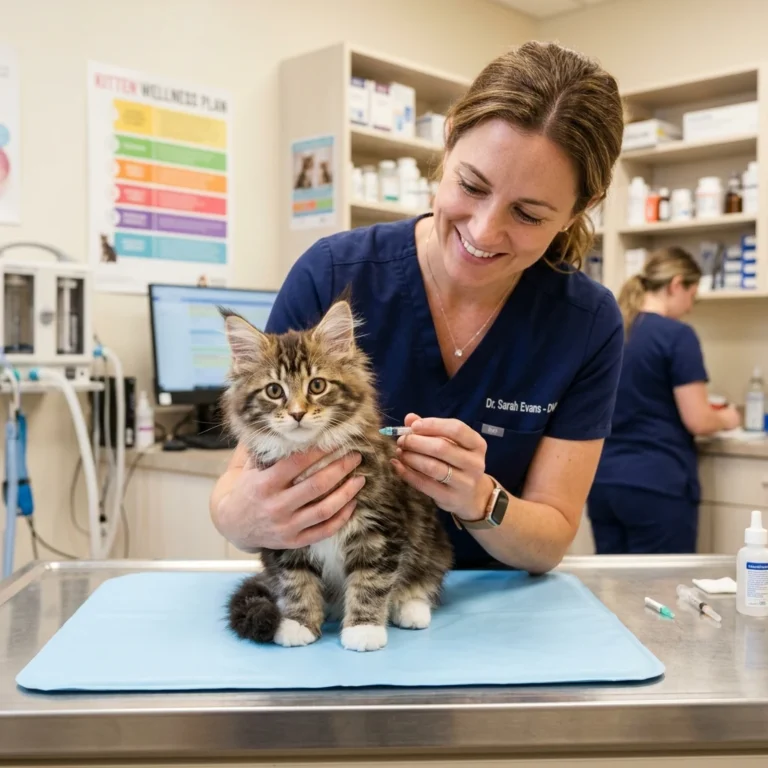
Vaccinations & Parasite Prevention: keep all core vaccines current (rabies, feline distemper, etc.) and use yearly FeLV/FIV tests. Maintain year-round flea/tick preventatives and regular deworming.
Nutrition & Exercise: feed a balanced diet formulated for large or active breeds, and monitor body condition to prevent obesity. Provide scratching posts, climbing structures and daily play to satisfy their high activity needs.
Dental Care & Grooming: brush teeth several times a week (or use dental treats) to prevent gum disease. Groom long fur daily to avoid mats and check for skin problems. Regular grooming sessions also allow early detection of lumps or injuries.
Safe Environment: keep Maine Coons indoors or supervised outside to reduce trauma and infectious disease risk. Use collars with ID tags or microchips. Environmental enrichment (toys, perches) keeps indoor cats mentally stimulated and stress-free.
Conclusion
Maine Coons are strong and beautiful cats, but they can have special health needs. Knowing the signs of illness and getting early treatment makes a big difference and this can increase the lifespan of Maine Coon. With regular vet care, a healthy diet, and lots of love, your Maine Coon can enjoy a long, happy life.