Brown Tabby Maine Coon: The Breed’s Original, Most Common Look
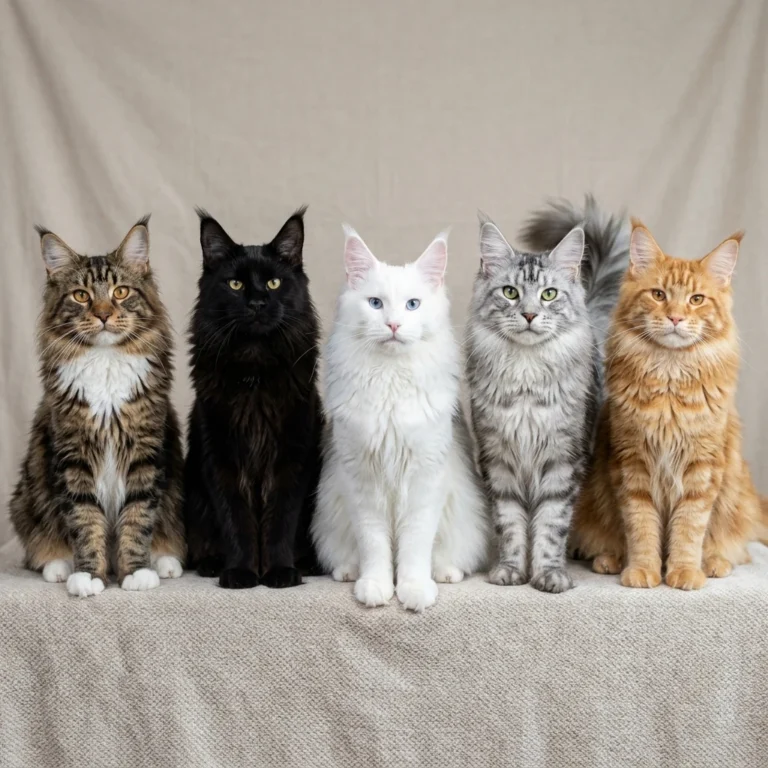
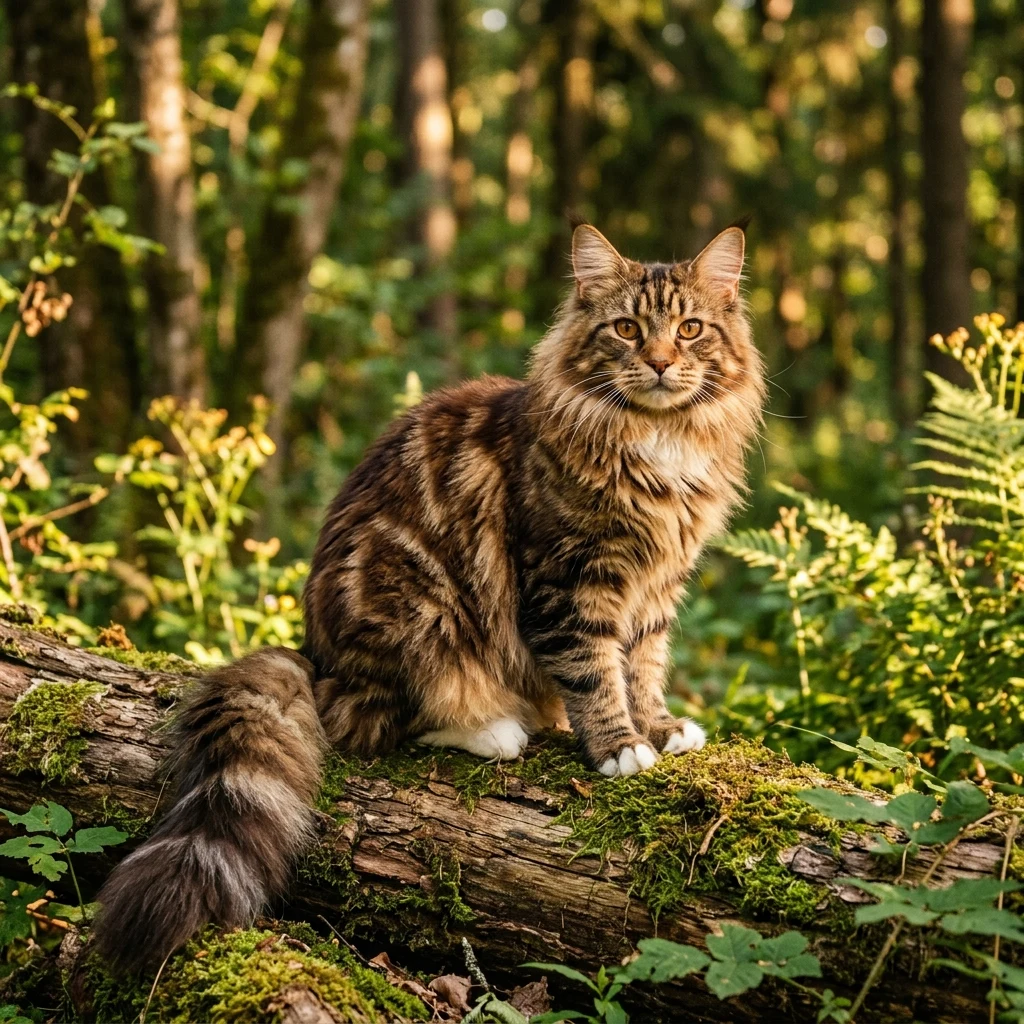
When most people picture a Maine Coon before they know anything about the breed, they’re picturing this: warm brown fur, dark swirling stripes, a bold dark “M” over the eyes. It’s not a coincidence that the brown tabby is the face of the breed. It’s the original working-cat look, the one that survived a New England winter, and it’s still the most common coat in the breed today.
Quick Answer
The brown tabby (also called brown classic tabby) is the Maine Coon’s signature, most common color — a warm brown base with dark black stripes, swirls, and a distinctive “M” on the forehead. It’s the closest thing the breed has to a wild-type default coat, genetically dominant and requiring no special breeding to produce. Because it’s so common, it’s also the most affordable color, typically $800–$2,500 for a pet-quality kitten in 2026.
What Makes a Tabby a Tabby
“Tabby” describes a pattern, not a color and not a breed — every domestic cat carries the genetic instructions for tabby striping somewhere in its DNA, even ones that don’t show it. In Maine Coons, three tabby patterns are recognized. Classic tabby shows broad, marbled swirls with a circular “bullseye” on each side — this is the pattern people mean by “brown tabby” nine times out of ten. Mackerel tabby runs narrow, parallel stripes down the ribs, tighter and more tiger-like. Ticked tabby breaks the pattern into fine salt-and-pepper flecking, with striping mostly limited to the legs and face.
All three can appear on a brown (black-based) background, which is what people usually mean when they say “brown tabby Maine Coon” without specifying further.
Why Brown Tabby Is the Default Look
Genetically, tabby patterning comes from the agouti gene, and it’s dominant — a cat only needs one copy from either parent to display stripes. Solid colors, by contrast, require the recessive non-agouti gene in two copies to switch the pattern off entirely. That’s the genetic reason tabbies outnumber solids in nearly every cat population on Earth, Maine Coons included, and why brown specifically dominates: black-based pigment is the most common starting point before any dilution or modifier genes get involved.
Brown Tabby and the Breed’s History
This isn’t just the most common color — it’s the historically significant one. Cosey, the brown tabby that won Best in Show at America’s first major cat show at Madison Square Garden in 1895, was a brown tabby, and that early win helped cement the pattern as the breed’s public face. It’s also the coloring most consistent with the working farm-cat ancestry the whole breed descends from — brown tabby fur provides genuine camouflage in a New England barn or woodpile, which solid black or white simply doesn’t.
“Tabby” vs “Tiger Stripe”: Clearing Up the Confusion
People often use “tiger stripe” to mean any striped cat, but technically it refers to just one tabby pattern — mackerel, with its narrow parallel stripes. A classic brown tabby’s broad swirls look nothing like a tiger’s stripes up close, even though casual conversation lumps every striped cat under the same nickname. If you’re trying to identify a specific kitten’s pattern from a listing, “tiger stripe” alone doesn’t tell you which of the three real tabby patterns you’re looking at — ask for classic, mackerel, or ticked by name.
Does the Coat Pattern Affect Personality or Size?
No, on both counts. Brown tabby Maine Coons carry the exact same temperament range as any other color — sociable, dog-like, patient with kids — and the same size range, roughly 15–25 pounds for males and 8–15 for females. Any personality differences owners report between individual tabby cats come down to genetics, socialization, and environment, not the stripes. Full detail in our personality guide and size guide.
Brown Tabby Price and Availability
| Type | Typical Price |
|---|---|
| Brown classic tabby, pet quality | $800–$2,500 |
| Show-quality brown tabby, top lines | $2,500–$4,000 |
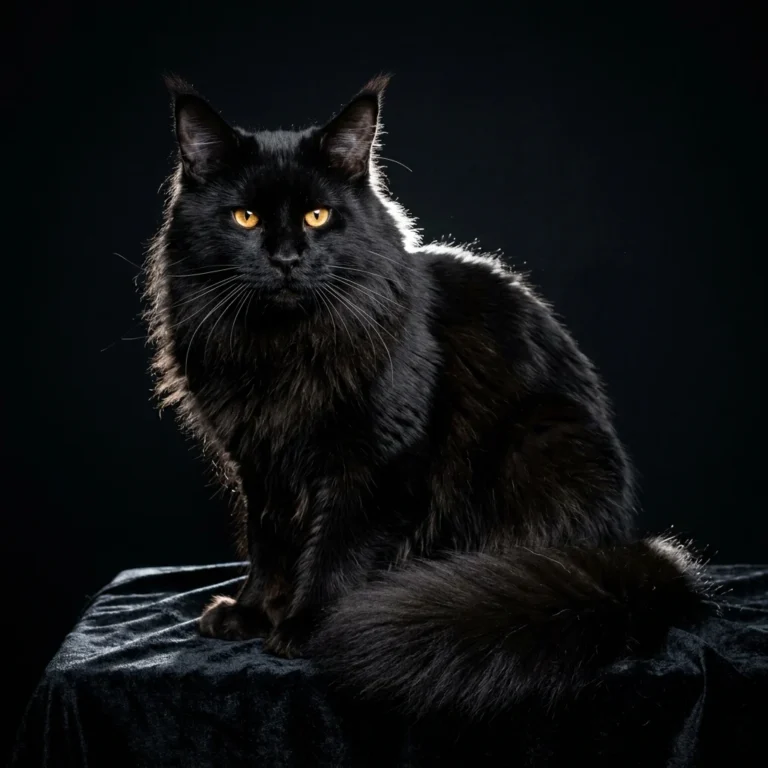
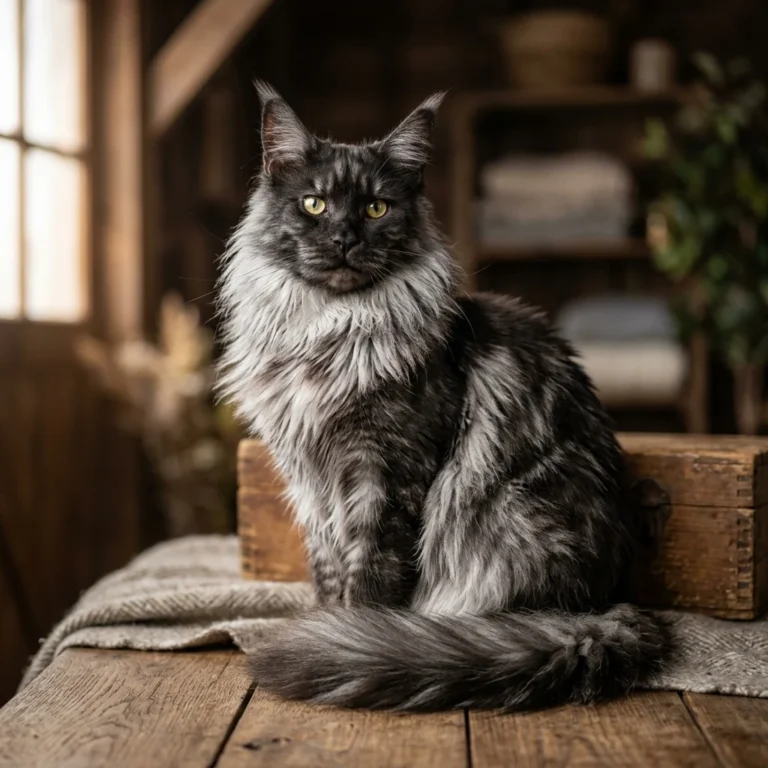
Because brown tabby is the most common, easiest-to-produce color in the breed, it’s also consistently the most affordable — and the easiest to find without a long waiting list. Rarer colors like black, white, and silver command a premium purely on scarcity and demand; brown tabby doesn’t carry that markup. Full pricing breakdown in our price guide.
Frequently Asked Questions
What is the most common Maine Coon color?
Brown classic tabby — a warm brown coat with dark swirling stripes and the trademark “M” on the forehead. It’s the breed’s original, most genetically dominant look.
Are brown tabby Maine Coons cheaper than other colors?
Generally yes. Because the pattern is common and easy for breeders to produce, brown tabby kittens typically run $800–$2,500, below the premium charged for rarer colors like solid black, white, or silver.
What’s the difference between classic and mackerel tabby?
Classic tabby shows broad, marbled swirls with a circular pattern on the sides. Mackerel tabby shows narrow, parallel stripes running down the ribs, closer to what people casually call “tiger stripe.”
Do all Maine Coons have an M on their forehead?
All tabby-patterned Maine Coons do — it’s part of the tabby gene itself, not unique to the breed. Solid, smoke, and white Maine Coons don’t show it.
Is brown tabby the same as tiger stripe?
Not exactly. “Tiger stripe” is a casual nickname usually referring to mackerel tabby specifically, while brown tabby can refer to classic, mackerel, or ticked patterns all shown on a brown base.
Does a tabby pattern affect a Maine Coon’s personality?
No. Coat pattern and color have no scientific link to temperament. Brown tabby Maine Coons have the same range of personalities as any other color in the breed.