Tuxedo Maine Coon Cat | Complete Profile
The Tuxedo Maine Coon isn’t just a pretty face, it’s a powerful blend of charm, size, intelligence, and elegance. Draped in a black and white coat that resembles a tailored suit, this feline stands out even among other Maine Coons, known as one of the most majestic cat breeds in the world. But what makes a tuxedo colored Maine Coon so special?
Let’s dive into the unique world of this captivating cat.

What Is a Tuxedo Maine Coon?
A Tuxedo Maine Coon is not a separate breed but a Maine Coon with a specific bicolor coat pattern, typically black with white markings on the chest, paws, and sometimes the face, mimicking the look of a tuxedo.
This pattern, also known as piebald, results from a genetic mutation that causes white spotting on a solid colored coat. While black and white is the most iconic combination. The “tuxedo” refers to the classic black and white coat that resembles formal wear. Tuxedo Maine Coons can also appear in other colors like blue, red, or cream paired with white, adding to their visual appeal.
The Maine Coon breed itself is renowned for its massive size, tufted ears, bushy tails, and sociable personality. The tuxedo pattern enhances their regal appearance, making them look like they’re always dressed for a formal occasion. Unlike some coat patterns that are rare, the tuxedo pattern is relatively common in Maine Coons, making these cats accessible to those who admire their dapper look.
History and Origin
The Maine Coon’s origins are steeped in mystery and folklore, with the Tuxedo Maine Coon adding its own layer of intrigue. The breed is one of the oldest natural breeds in North America, originating in Maine, where it is the official state cat. Theories about their ancestry include:
Viking Influence: Many believe Maine Coons descended from Norwegian Forest Cats brought to America by Vikings, breeding with local shorthaired cats. The Tuxedo Maine Coon’s distinctive coat may have emerged from these early crossings, though its exact origin is unclear.
Marie Antoinette Myth: A popular tale suggests that Marie Antoinette’s long-haired cats, sent to Maine during her escape attempt from the French Revolution, contributed to the breed’s development. While romantic, this story lacks solid evidence.
Farm Cat Legacy: In the 1800s, Maine Coons were prized for their hunting skills on farms. The tuxedo pattern gained popularity during this time, with a black-and-white Maine Coon mentioned in The Book of the Cat in 1861, possibly an early Tuxedo Maine Coon.
By the late 19th century, Maine Coons, including those with tuxedo markings, were stars of early cat shows, with a Maine Coon named Cosey winning Best in Show at the 1895 National Cat Show in New York.
However, the breed’s popularity waned in the early 20th century as other long-haired breeds like Persians gained favor. By the 1950s, Maine Coons were nearly declared extinct, but dedicated breeders revived the breed, leading to its recognition by the Cat Fanciers’ Association (CFA) in 1976. Today, the Tuxedo Maine Coon remains a sought-after variation, celebrated for its elegance and charm.
Tuxedo Maine Coon Size & Appearance
If you’ve seen one, you know: Maine Coons are giants in the domestic cat world. A full grown Tuxedo Maine Coon male can weigh 15–25 pounds, while females usually range between 10–15 pounds. They grow slowly and often don’t reach full maturity until 3–5 years of age.
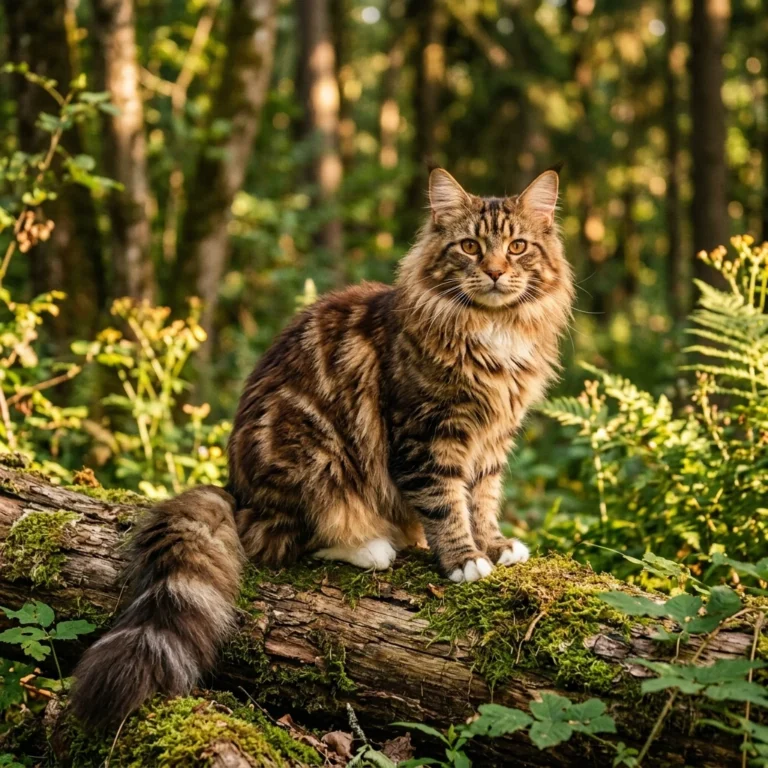
Their long, flowing coats, bushy raccoon-like tails, lynx-tipped ears, and large paws give them an almost mythical appearance. When these features are paired with a sharp black coat and white chest, chin, and mittens, you get a cat that looks like it walked out of a royal gala.
While most Maine Coons are long haired, some people refer to “Tuxedo Maine Coon short hair”, usually in the context of Maine Coon mixes or cats with similar appearances but less coat density. True Maine Coons are known for their medium to long fur, but variations exist due to breeding.
Tuxedo Maine Coon Personality
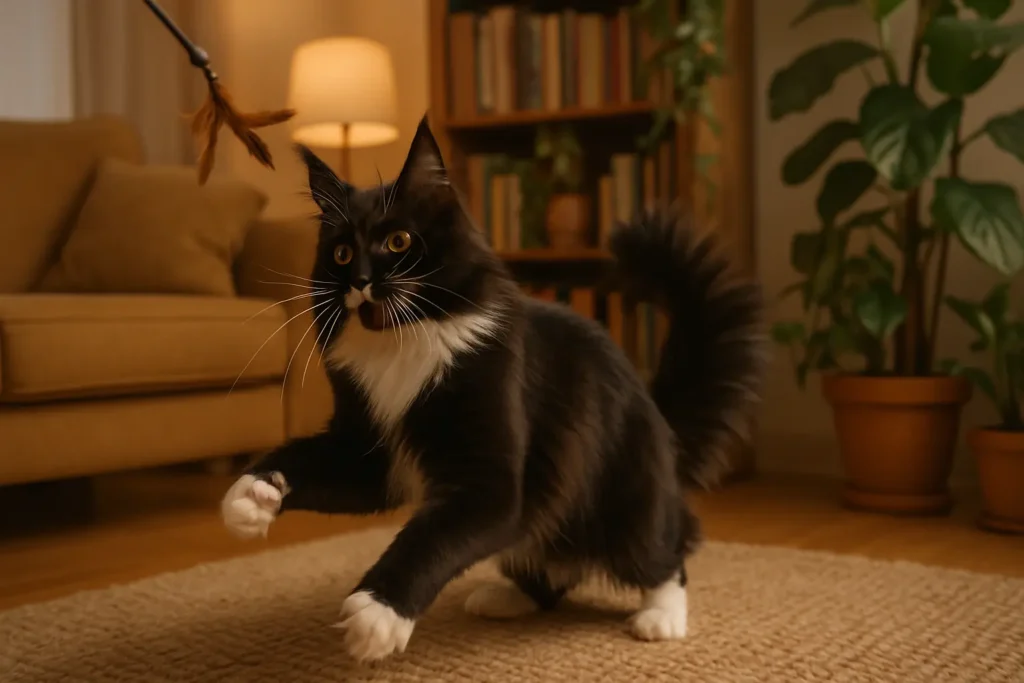
Don’t let the formal attire fool you—Tuxedo Maine Coons are affectionate, playful, and loyal. They often follow their owners from room to room, chirping and trilling in their unique way. This behavior has earned them the nickname “dogs of the cat world.”
They are smart and enjoy problem-solving, puzzle toys, and interactive play. They also tend to be great with children and other pets. Their personality often makes owners feel like their cat chose them, not the other way around.
So, why are tuxedo cats so special? It’s a mix of their striking looks and affectionate, outgoing nature—something the Maine Coon breed exemplifies perfectly.
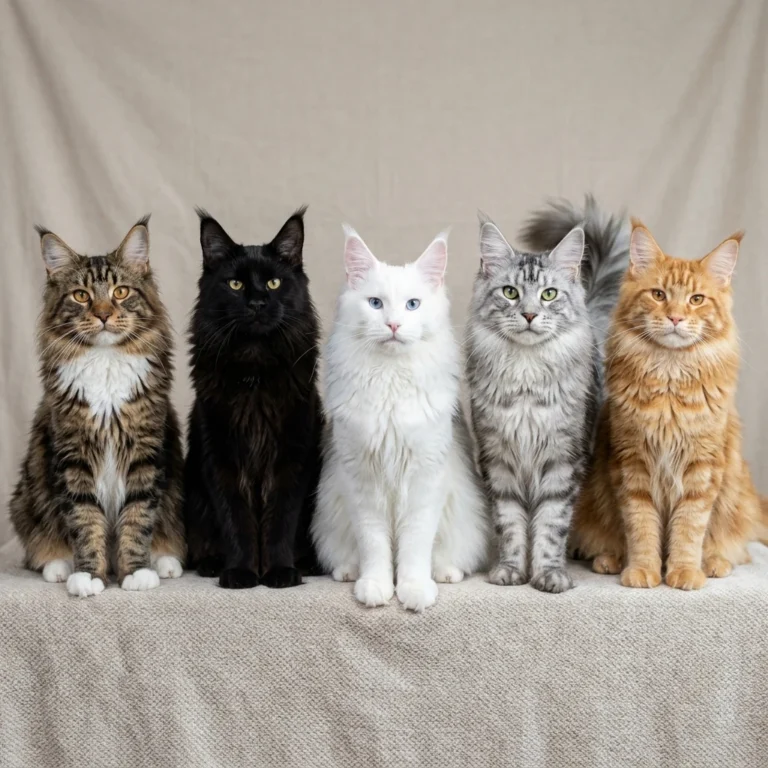
Colors: Not Just Black and White
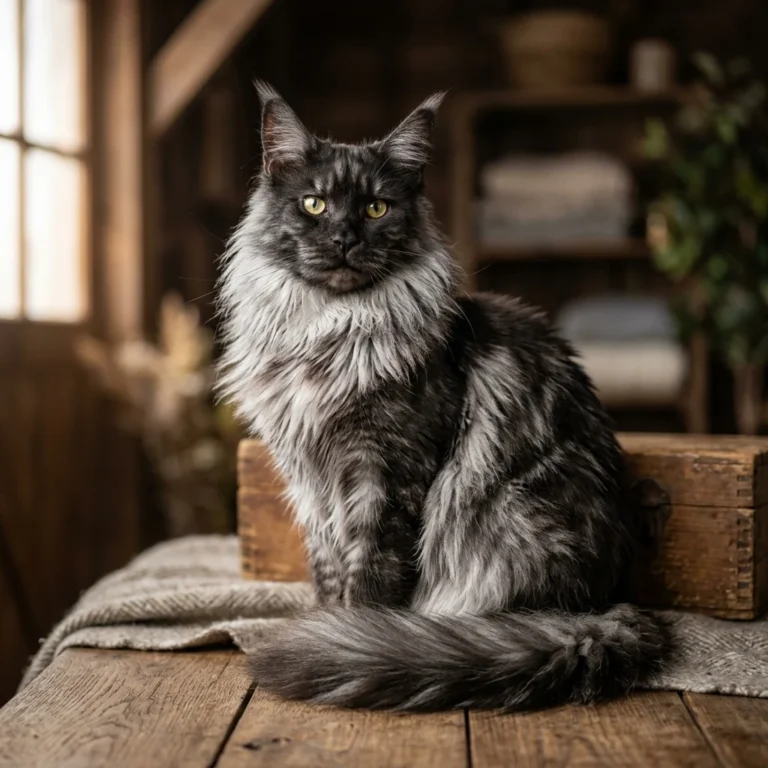
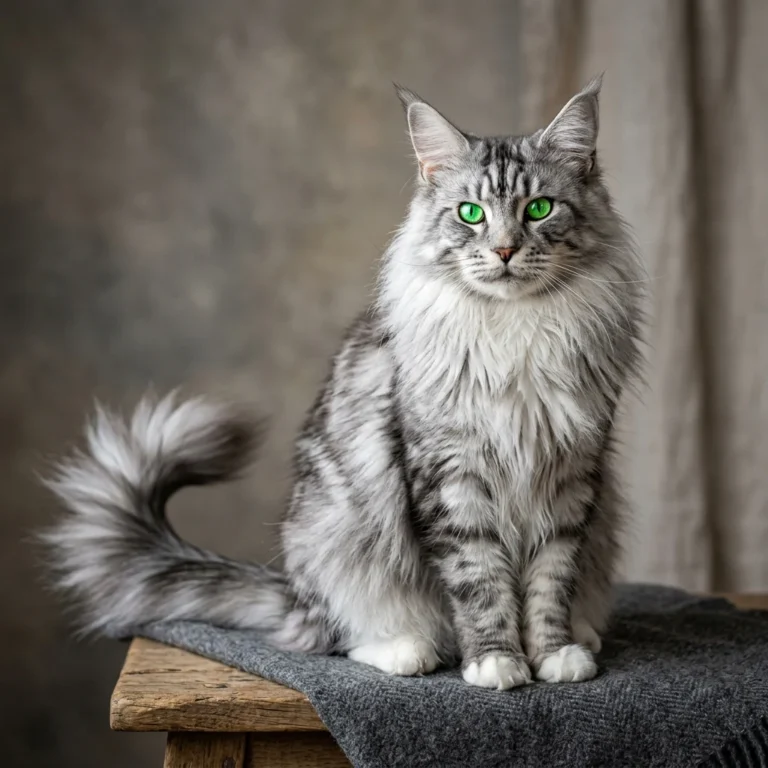
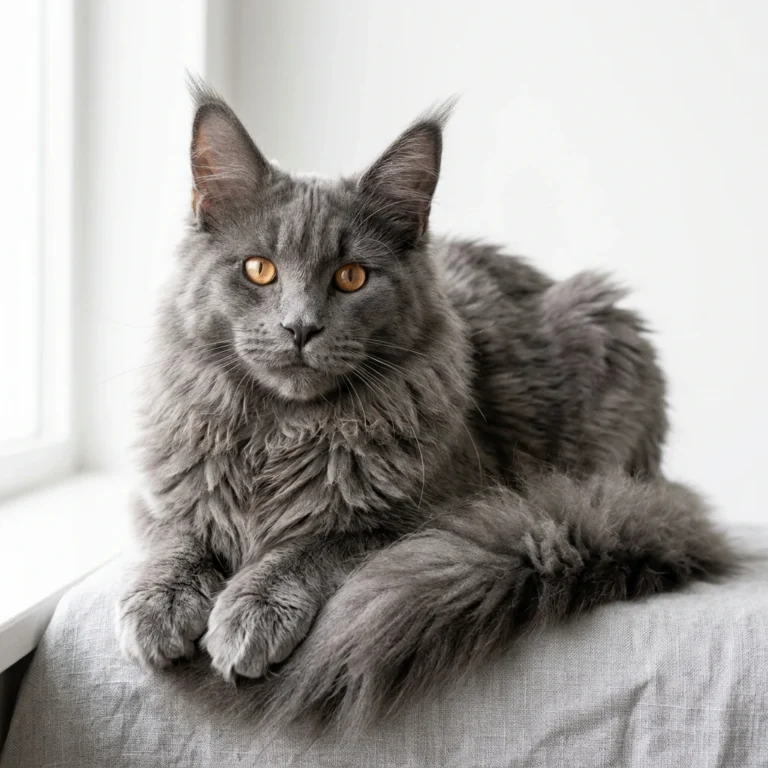
While black and white is the classic tuxedo combo, Maine Coons can wear many variations of this pattern. One particularly stunning type is the grey tuxedo Maine Coon—a silver-toned beauty that’s less common than its darker counterparts but just as charming.
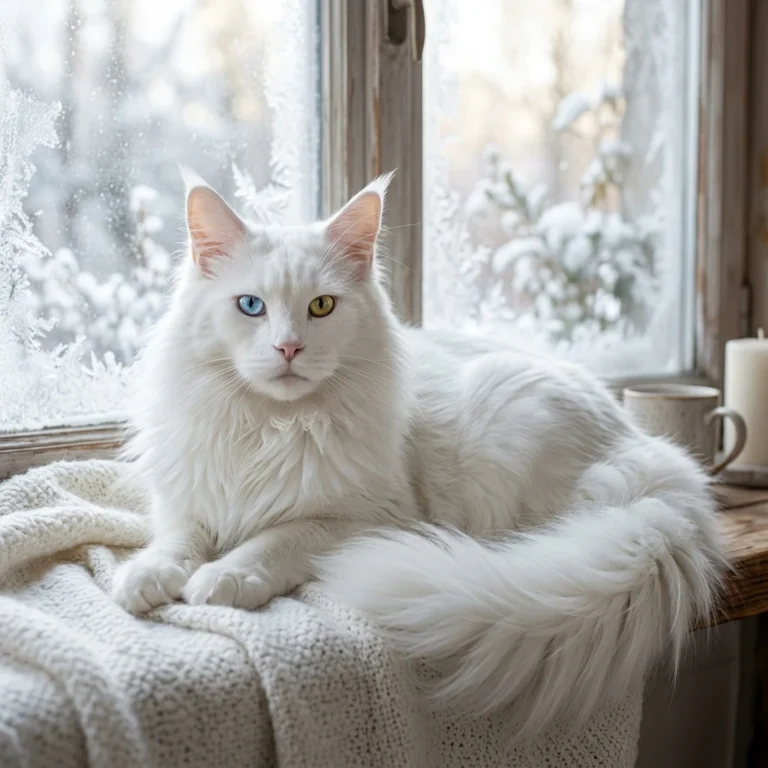
This brings up a common question: What is the rarest Maine Coon color? That title typically goes to colors like shaded silver, smoke, or chinchilla. Still, a grey tuxedo Maine Coon can feel rare because of its distinct elegance and lower visibility.
Caring for a Tuxedo Maine Coon
Grooming Needs
The Maine Coon’s double-layer coat requires regular brushing (2–3 times per week) to prevent matting and reduce shedding, especially during seasonal changes.
Use a wide-tooth comb or slicker brush to gently remove tangles. Bathing is rarely needed due to their water-resistant fur, but they may enjoy water play, so be prepared for sink or tub adventures.
Diet and Nutrition
Tuxedo Maine Coons need a high quality, protein rich diet to support their large size and active lifestyle. Consult a veterinarian to determine portion sizes, as overfeeding can lead to obesity, particularly in neutered males. Fresh water should always be available, as Maine Coons are prone to playing in water bowls.
Exercise and Enrichment
These athletic cats require ample space to roam, climb, and play. Provide sturdy scratching posts, tall cat trees, and durable toys to satisfy their hunting instincts. A fenced-in yard or catio is ideal for safe outdoor exploration. Puzzle toys and interactive games can keep their intelligent minds engaged.
Health Considerations
Common Health Issues
Maine Coons are generally healthy, but Tuxedo Maine Coons may be prone to certain genetic conditions, including:
Hypertrophic Cardiomyopathy (HCM): A heart condition common in the breed.
Hip Dysplasia: Affects joint mobility, especially in larger cats.
Polycystic Kidney Disease (PKD): Less common but still a risk.
Spinal Muscular Atrophy (SMA): A rare genetic disorder.
Regular veterinary checkups, a balanced diet, and a stimulating environment can help mitigate these risks. Reputable breeders often screen for these conditions, so always request health certifications when purchasing a kitten.
Tuxedo Maine Coon Kittens: Cuteness in Miniature
A Tuxedo Maine Coon kitten is a little ball of fluff, curiosity, and charm. With oversized paws, playful energy, and a quickly growing frame, these kittens are irresistible.
When searching for a Tuxedo Maine Coon for sale, expect to pay anywhere between $1,000 and $3,000, depending on the breeder, lineage, and location. Show quality kittens with verified pedigrees can fetch even higher prices. If you’re on a budget or want to rescue, check with Maine Coon rescues, you may find a tuxedo treasure waiting for a new home.
So, how much is a tuxedo Maine Coon worth? It depends, but remember: buying from a responsible breeder ensures your kitten is healthy, well-socialized, and properly raised.
How to Tell If Your Cat Is a Tuxedo Maine Coon
Maybe your black-and-white cat has some Maine Coon-like features—large frame, tufted ears, long tail. How do you know if your tuxedo cat is a Maine Coon?
Look for these signs:
A long, flowing coat with a ruff around the neck
Large size and muscular build
Tufted ears and toes
Square-shaped muzzle
Gentle, social personality
Of course, the most accurate way to confirm is through a DNA test that checks for breed lineage.
Genetics Behind the Look
People often ask, what two breeds make a Maine Coon? While the exact origin is unknown, most theories suggest a mix of long haired domestic cats and northern breeds like the Norwegian Forest Cat.
As for tuxedo cats themselves, what two cats make a tuxedo cat? The pattern results from a specific gene interaction and can arise from various breed pairings, so there’s no one formula for a tuxedo cat.
There’s also a similar but different term: harlequin cats. These are mostly white cats with large patches of color, unlike tuxedos, which have a more symmetrical and defined black-and-white coat.
And what is the rarest tuxedo cat? Some would say those with dilute or unusual colors, like blue (grey) and white, or red and white are rarer than the classic black and white version.
Final Thoughts
The Tuxedo Maine Coon is a living paradox, elegantly dressed yet playfully goofy, massive in size yet gentle in spirit. Whether you’re looking for a show stopping kitten, a devoted companion, or just curious about this dashing feline, one thing’s for sure: life with a Tuxedo Maine Coon is never boring.
If you’re ready to welcome a Tuxedo Maine Coon into your life, start by researching reputable breeders or checking local shelters. With proper care, these gentle giants will reward you with years of love, laughter, and unforgettable moments.